Brewing your own beer is one of the most rewarding—and, in the United States, perfectly legal—hobbies in the drinks world. From a first extract kit on the stovetop to an all-grain setup in the garage, homebrewing puts the whole craft in your hands: choosing the grains and hops, controlling the fermentation, and pouring a pint you made yourself. This is our home for getting started and getting better.
Where to start
New brewers should begin with a simple extract kit—it teaches the fundamentals of sanitation, boiling, and fermentation without a big equipment investment. From there, partial-mash and all-grain brewing open up full control over your recipes. Our homebrewing guides cover the gear, ingredients, and techniques at every stage; browse them below.
Is homebrewing legal?
Yes—in the United States, adults may brew beer at home for personal use (federal law permits up to 100 gallons per adult per year, 200 per household), though state and local rules vary, so check yours. Note that distilling spirits at home is a different matter and is illegal without a permit—see our distilling section.
Homebrewing Guides & Articles
14 articles

Brew in a Bag (BIAB): The Simplest Path to All-Grain Brewing
All-grain brewing doesn't require a three-tier system and an engineering degree. BIAB gets you there with one kettle, one bag, and one afternoon.

How to Fix Common Homebrewing Problems: A Troubleshooting Guide
Your beer tastes like Band-Aids. Or won't ferment. Or turned into a volcano. Here's how to diagnose and fix the most common homebrewing problems.

Kegging vs. Bottling: Which Is Right for Your Homebrew?
Bottling 50 bottles after a 5-hour brew day is where dreams go to die. Here's the real cost of switching to kegs — and whether it's worth it.

Homebrewing Water Chemistry: The Beginner's Guide to Water Profiles
Water is 90-95% of your beer, and most homebrewers ignore it completely. Here's how pH, minerals, and water profiles actually affect what's in your glass.

Essential Homebrewing Equipment: What You Actually Need to Start
Skip the $500 starter kit. Here's what you actually need to brew your first batch — and what's worth upgrading once you're hooked.

How To Shotgun A Beer
<![CDATA[]]>
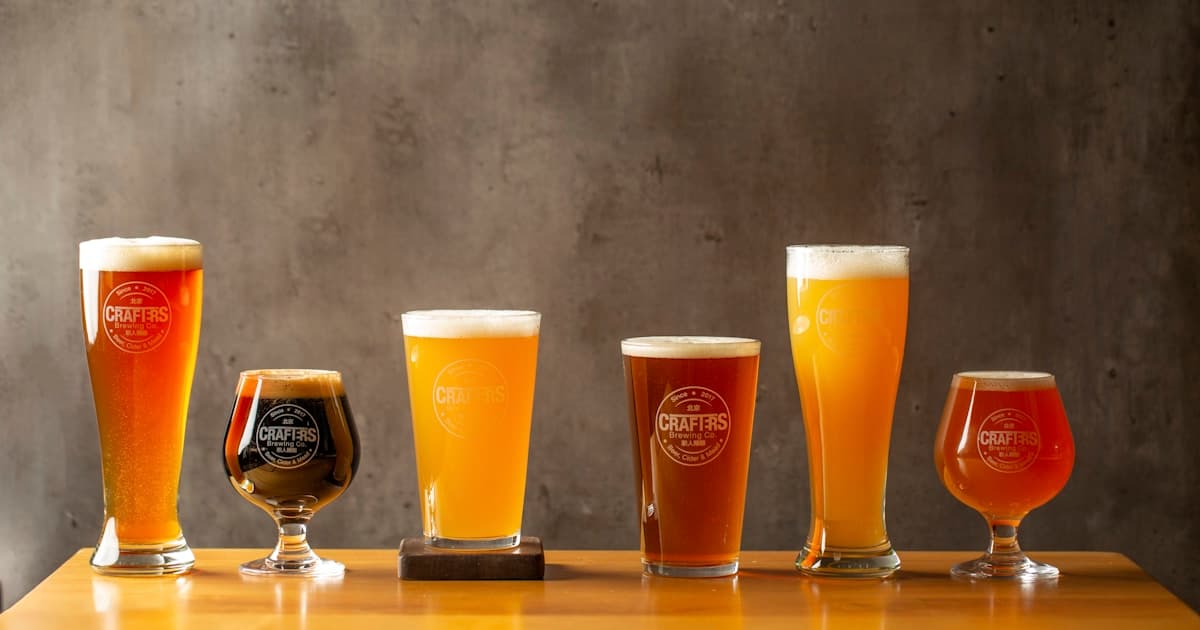
Extract Brewing: The Ultimate Guide for Beginners
<![CDATA[]]>
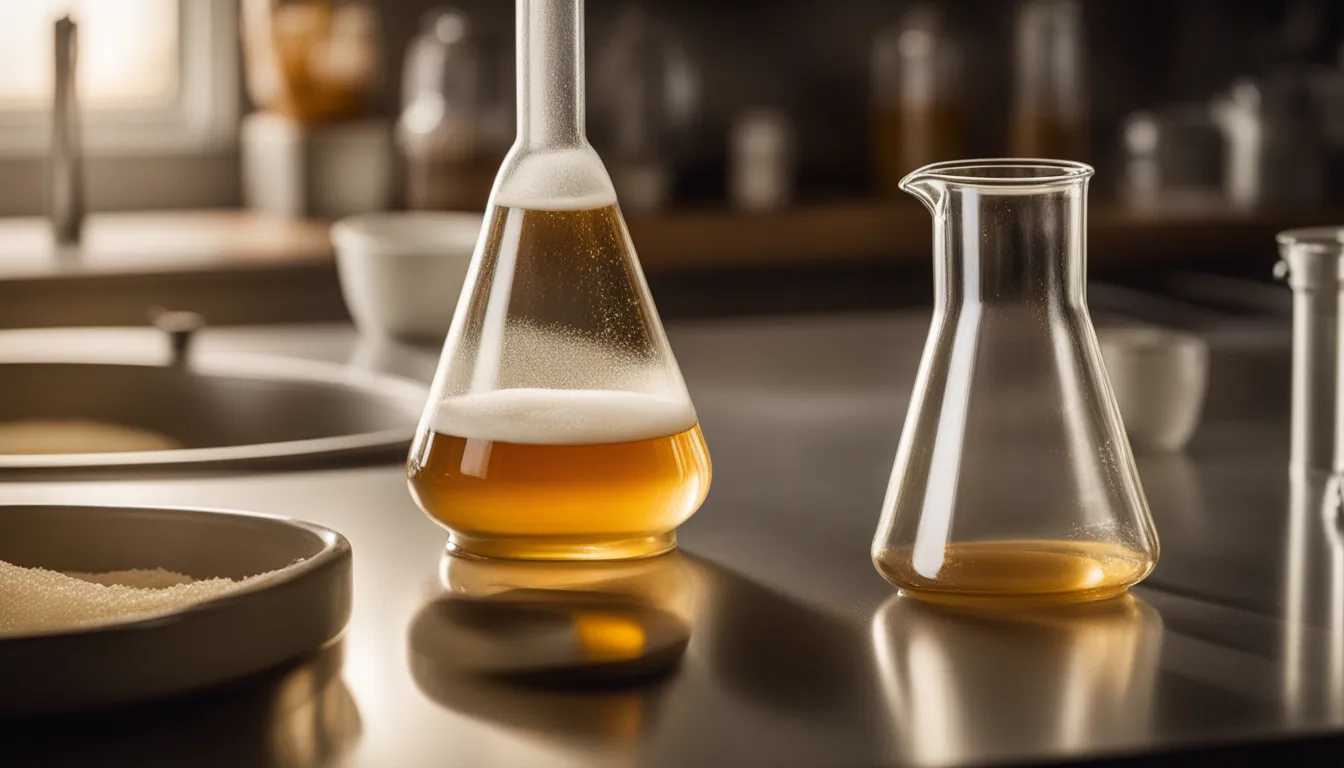
Making a Yeast Starter: Improving Your Beer and Speeding Things Up a Bit
<![CDATA[]]>
How Strong Is The Smell Of Homebrewing?
<![CDATA[]]>
Kit and Kilo Brewing: The Ultimate Guide
<![CDATA[]]>
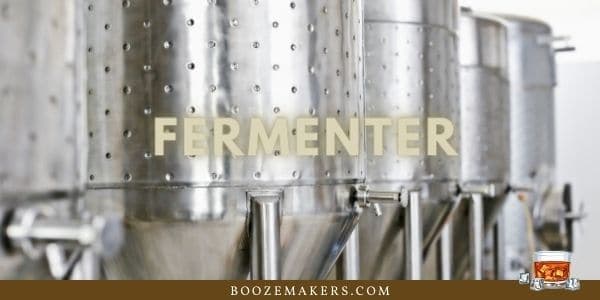
Cleaning and Sanitizing Your Homebrewing Equipment
<![CDATA[]]>
Bottling Beer: How to Do It and The Best Bottling Tip Ever
<![CDATA[]]>
Brewzor Brewing Calculator
<![CDATA[]]>
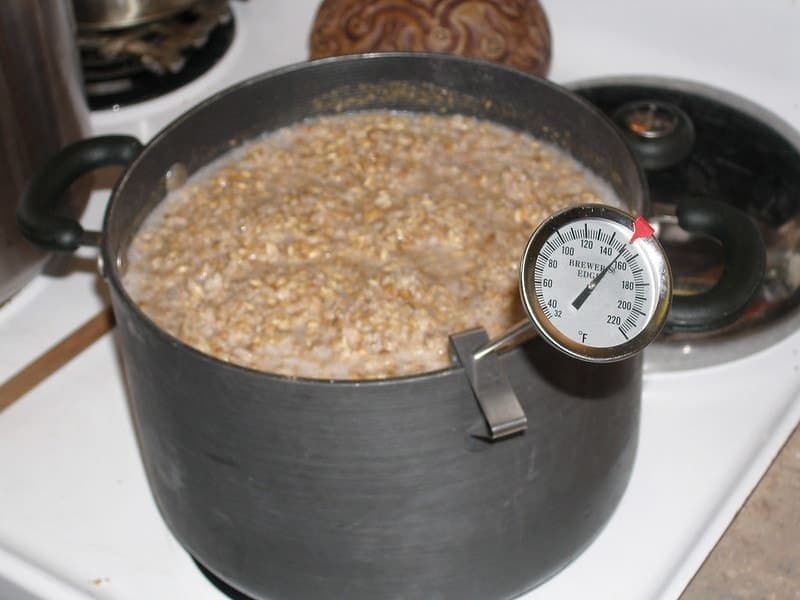
How to Brew Beer
<![CDATA[]]>
Homebrewing Recipes
2 articles
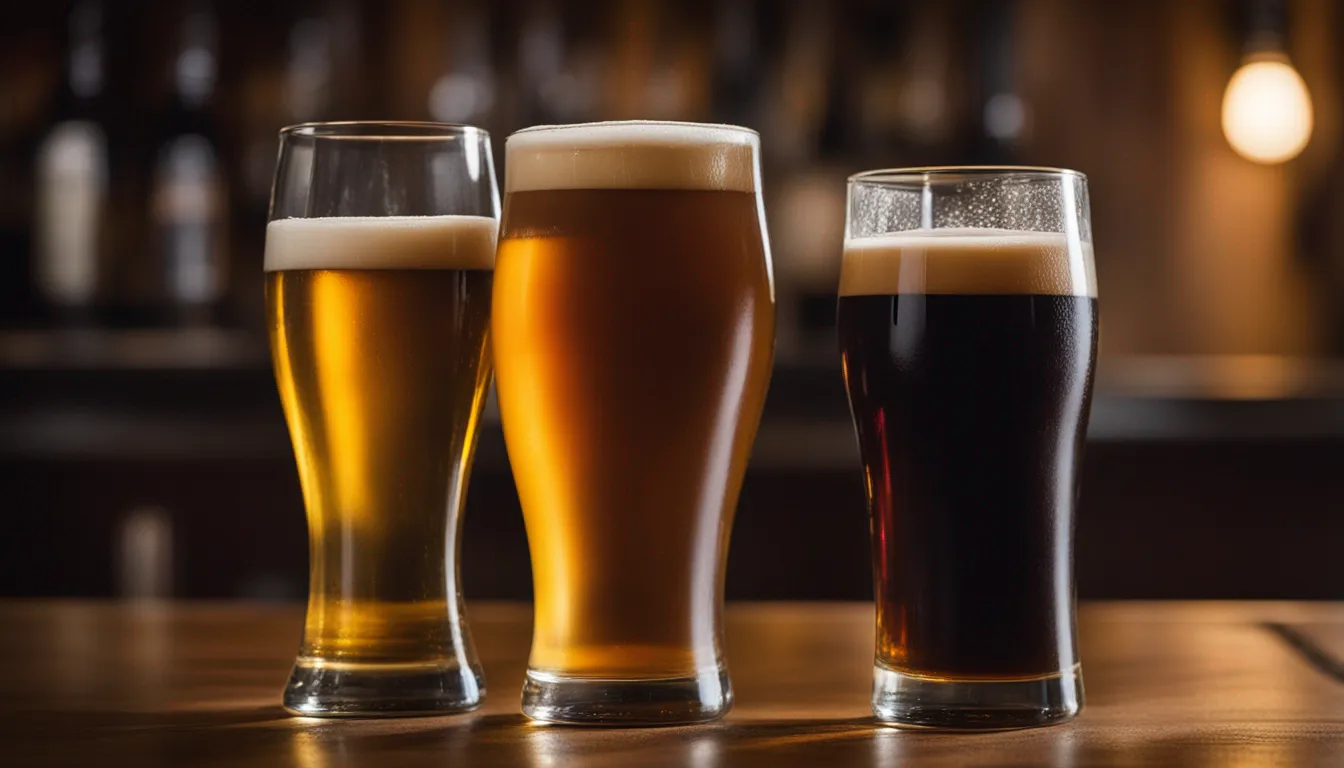
3 Homebrew Recipes for Beginners: Your First Batch Starts Here
Three recipes designed to build confidence — an American wheat that's nearly impossible to screw up, an English bitter that teaches technique, and a chocolate milk stout that impresses everyone.
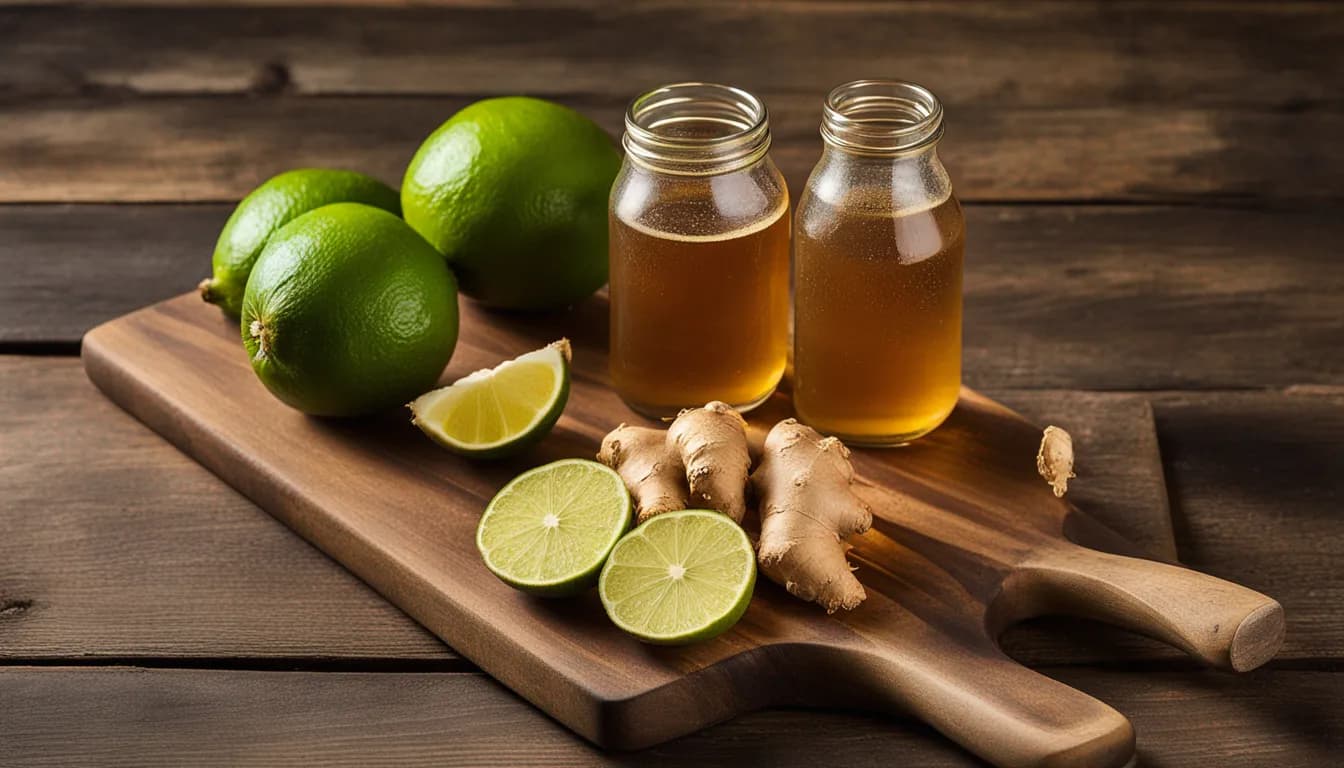
Two Quick Homebrew Ginger Beer Recipes: Fermented and Fizzy
Two paths to homemade ginger beer — a naturally fermented version with a living ginger bug, and a quick force-carbonated batch ready in 48 hours. Both beat anything in a can.
Frequently Asked Questions
Is it legal to brew beer at home?
Yes. In the United States, adults may brew beer at home for personal use—federal law allows up to 100 gallons per adult per year (200 per household). State and local laws vary, so check your own. (Distilling spirits at home, by contrast, is illegal without a permit.)
What do I need to start homebrewing?
A basic starter kit gets you going: a fermenter with an airlock, a large brew pot, an ingredient kit (malt extract, hops, yeast), a sanitizer, a thermometer, and bottles with caps. Sanitation is the single most important habit to master early.
How long does it take to brew beer at home?
Brew day itself is a few hours, but the beer needs roughly two weeks to ferment and another one to two weeks to carbonate and condition in the bottle—so about three to four weeks from grain to glass for a typical ale.
Is homebrewing hard?
It's very approachable to start—an extract kit is essentially advanced cooking with a strong emphasis on cleanliness. The basics are easy to learn; the craft gets as deep as you want it to, all the way to full recipe control with all-grain brewing.