Homemade ginger beer doesn't taste like Canada Dry. It tastes like someone took fresh ginger root and turned it into a drink — because that's exactly what happened. The burn is real, the ginger flavor is three-dimensional, and once you've made it yourself, the bottled stuff tastes like ginger-flavored sugar water. Which, to be fair, it is.
I'm giving you two recipes here because they serve different purposes. The quick force-carbonated version is ready in 48 hours and requires minimal equipment — it's the recipe you make on Wednesday for a Saturday party. The naturally fermented version uses a living ginger bug culture and takes 5–7 days, but it develops a depth and complexity that the quick version can't touch. Both produce roughly 1 gallon of ginger beer. Both are vastly superior to anything you'll find in a store.
Recipe 1: Quick Force-Carbonated Ginger Beer (48 Hours)
This method uses champagne yeast in a sealed plastic bottle to generate carbonation quickly. The yeast eats a small amount of sugar, produces CO2, and you refrigerate the bottle before fermentation goes too far. It's barely a fermentation — more like a controlled chemical reaction. The result is spicy, sweet, and fizzy.
Ingredients (1 gallon)
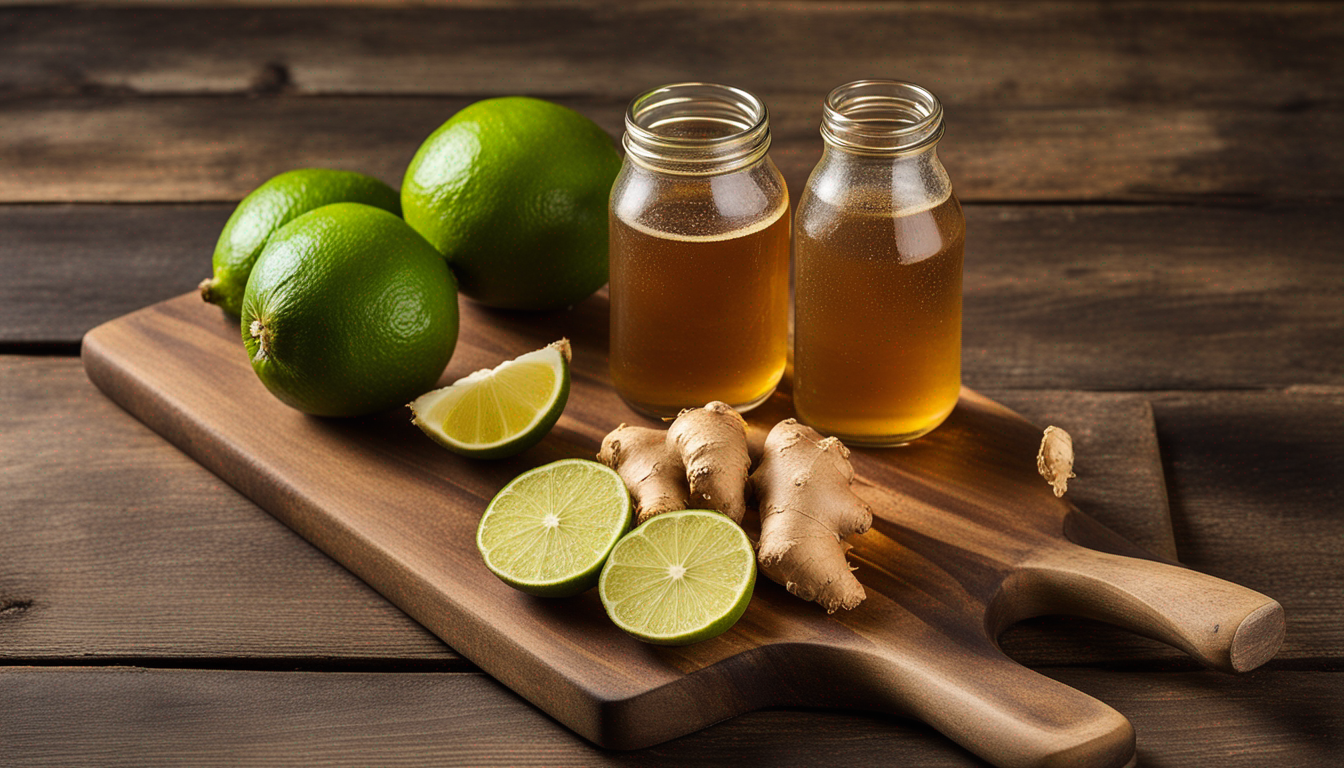
- 6 oz fresh ginger root (about a 5-inch piece, the gnarlier the better) (~$3)
- 1 cup granulated white sugar (~$1)
- Juice of 2 limes (~$1)
- 1/8 teaspoon champagne yeast (Red Star Premier Blanc or Lalvin EC-1118) (~$1 per packet, one packet makes 20+ batches)
- 1 gallon filtered water (chlorinated tap water can inhibit yeast — use a Brita or buy a gallon jug)
- Pinch of cream of tartar (optional — helps yeast nutrient availability)
Equipment
- 2-liter plastic soda bottles (you need two) — must be plastic, never glass for this method
- Fine mesh strainer or cheesecloth
- Funnel
- Grater or food processor
Steps
- Make the ginger concentrate. Peel and grate the 6 oz of fresh ginger. Combine it with 2 cups of water and 1 cup of sugar in a saucepan. Bring to a boil, stir to dissolve sugar, then reduce heat and simmer for 10 minutes. You're making a ginger syrup — the kitchen will smell incredible.
- Strain and cool. Pour the ginger syrup through a fine mesh strainer into a large bowl or pitcher. Press the grated ginger with a spoon to extract every drop. Discard the pulp (or save it — candied ginger pulp is a thing). Let the syrup cool to room temperature. This is important: if you add yeast to hot liquid, you'll kill it.
- Add lime juice and remaining water. Stir in the juice of 2 limes and enough filtered water to reach 1 gallon total.
- Add yeast. Sprinkle 1/8 teaspoon of champagne yeast into the liquid and stir gently. Champagne yeast is aggressive and reliable — it'll start working within hours.
- Bottle in plastic. Using a funnel, pour the mixture into 2-liter plastic soda bottles. Leave 2 inches of headspace at the top. Cap tightly.
- Ferment at room temperature for 24–48 hours. Squeeze the bottles periodically — when they're rock-hard (no give at all when you squeeze), they're fully carbonated. This usually happens at 24–36 hours at 70–75°F.
- Refrigerate immediately. Cold temperatures put the yeast to sleep and stop carbonation. Do not leave the bottles at room temperature beyond 48 hours — over-carbonation in a sealed container is a pressure hazard.
Safety Notes
This is not optional reading. Carbonation means pressure. Pressure in a sealed container means potential for rupture. Follow these rules:
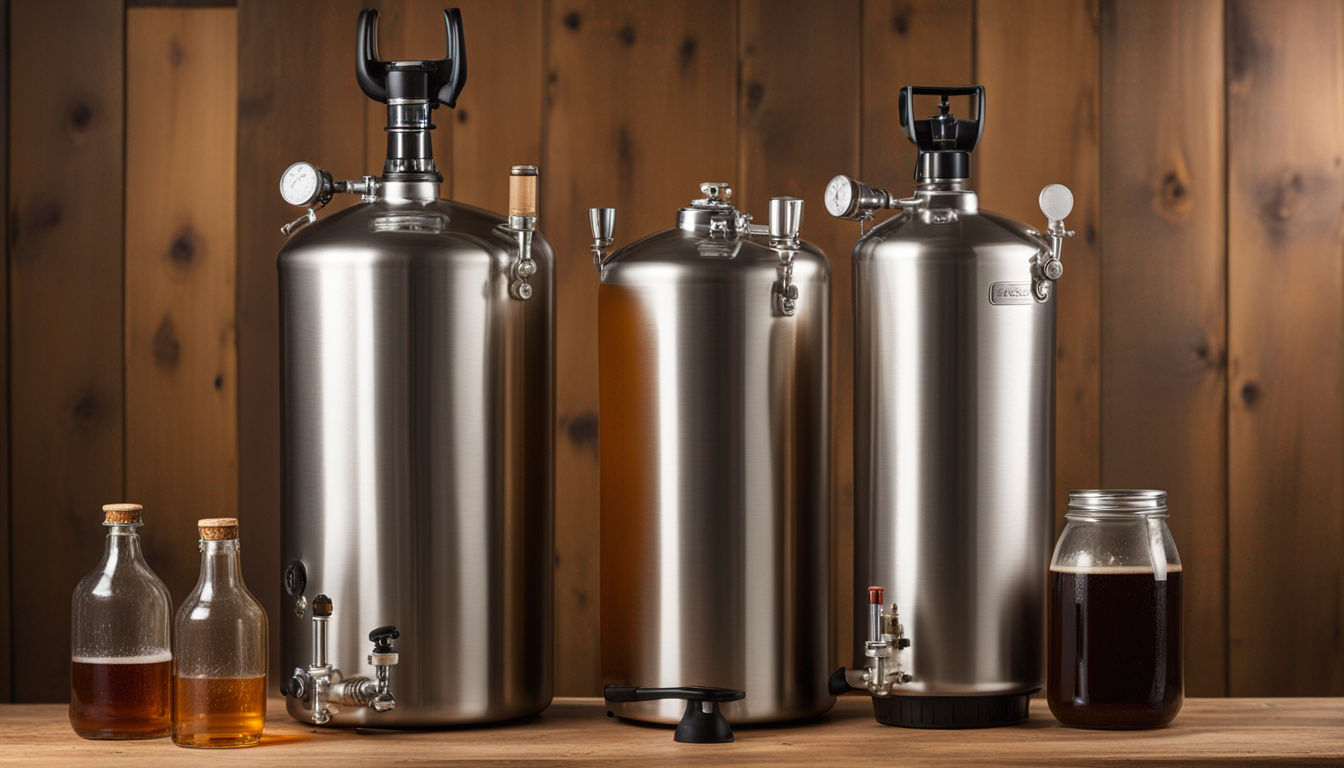
- Always use plastic bottles. Glass bottles can explode if pressure builds too high. Plastic bottles deform and bulge visibly before they fail, giving you warning. A 2-liter soda bottle is engineered to hold carbonation — use it.
- Squeeze-test every 8 hours. When the bottle is drum-tight, it goes in the fridge. Period.
- Never forget about a bottle. If you leave a capped bottle of actively fermenting ginger beer at room temperature for 3+ days, you're making a ginger grenade. Set a phone alarm.
- Open slowly over a sink. Even properly carbonated ginger beer can geyser. Crack the cap slowly, let gas escape, re-tighten, repeat.
The result is a bright, spicy, lime-forward ginger beer with assertive carbonation. It'll keep refrigerated for up to 2 weeks, though carbonation will continue to build very slowly even in the fridge. Drink it fresh.
Recipe 2: Naturally Fermented Ginger Beer with Ginger Bug (5–7 Days)
This is the real deal. A ginger bug is a naturally fermented culture of wild yeast and beneficial bacteria that lives on the skin of fresh ginger root. It's the ginger equivalent of a sourdough starter — you feed it, it grows, and it becomes the engine that carbonates and ferments your ginger beer. The resulting drink has a more complex flavor profile than the quick version: slightly funky, deeply gingery, with a natural effervescence that feels alive in your mouth. To learn more about this kind of living fermentation, read our fermentation guide.
Step 1: Make the Ginger Bug (5–7 Days Before Brew Day)
You need to start the ginger bug culture about a week before you plan to brew. It's dead simple.
Ginger Bug Ingredients
- 2 tablespoons grated fresh ginger (unpeeled — the wild yeast lives on the skin)
- 2 tablespoons white sugar
- 2 cups filtered water (non-chlorinated)
- A quart-sized mason jar
- Cheesecloth or coffee filter + rubber band (for covering)
Ginger Bug Process
- Day 1: Combine 2 tablespoons grated ginger (with skin), 2 tablespoons sugar, and 2 cups water in the mason jar. Stir vigorously. Cover with cheesecloth and secure with a rubber band. Place in a warm spot (70–80°F), away from direct sunlight.
- Days 2–5: Each day, add 1 tablespoon grated ginger and 1 tablespoon sugar. Stir vigorously. You're feeding the wild yeast and bacteria that colonize the ginger skin.
- Signs of life: By day 3–4, you should see bubbles forming on the surface and hear a slight fizz when you stir. The liquid will look slightly cloudy. It should smell yeasty and gingery — not rotten. If it smells like nail polish remover or has visible mold (fuzzy spots on top), discard and start over with fresher ginger.
- Ready to use: When the bug is actively bubbling (usually day 5–7), it's ready. A healthy ginger bug fizzes noticeably when stirred and may produce a small head of foam.
Maintenance: Once established, you can keep a ginger bug alive indefinitely. Store it in the fridge and feed it 1 tablespoon each of ginger and sugar once per week. Pull it out 24 hours before brew day and give it a feeding to reactivate it. I've had the same bug going for over two years.
Step 2: Brew the Ginger Beer
Ginger Beer Ingredients (1 gallon)
- 8 oz fresh ginger root, grated or finely chopped (~$4)
- 1.25 cups sugar (white or raw/turbinado — raw adds a slight molasses depth) (~$1)
- Juice of 2 lemons (~$1.50)
- 1 gallon filtered water
- 1/2 cup strained ginger bug liquid
Brewing Steps
- Make the ginger tea. Combine 8 oz grated ginger with 4 cups of water in a saucepan. Bring to a boil, then simmer for 15–20 minutes. This is a stronger concentrate than the quick version — the ginger bug fermentation will mellow it.
- Add sugar off heat. Remove from burner, add 1.25 cups sugar, stir until dissolved.
- Combine and cool. Strain out the ginger solids into a large pot or bowl. Add remaining water to reach 1 gallon. Add lemon juice. Cool to room temperature — the ginger bug is a living culture, and heat will kill it.
- Add the ginger bug. Strain 1/2 cup of liquid from your active ginger bug culture into the cooled ginger beer. Stir gently to distribute.
- First fermentation (2–3 days). Cover the vessel with cheesecloth and let it sit at room temperature. You're allowing the culture to establish itself and begin eating sugar. You'll see increasing bubble activity over 48–72 hours.
- Bottle for carbonation. After 2–3 days of open fermentation, strain the liquid and transfer into flip-top (Grolsch-style) glass bottles or plastic soda bottles. Leave 1–2 inches of headspace. Seal tightly.
- Second fermentation (1–3 days). Leave the sealed bottles at room temperature. Burp the bottles (briefly open the cap to release pressure) once per day. After 1–3 days, the ginger beer should be well-carbonated. If using plastic bottles, the squeeze test works here too.
- Refrigerate and enjoy. Once carbonated, move to the fridge. The cold slows fermentation dramatically.
Safety Notes for Fermented Version
- Burp your bottles daily. Natural fermentation is less predictable than commercial yeast. The ginger bug culture can be more or less active depending on temperature, sugar content, and how established it is. Daily burping prevents excessive pressure.
- Plastic is safer than glass for beginners. If you're not experienced with bottle conditioning, use plastic until you get a feel for how fast your bug works.
- The alcohol content is low. Ginger bug fermentation typically produces 0.5–2% ABV — similar to kombucha. It's the CO2 you need to respect, not the alcohol.
Flavor Variations
Both recipes accept modifications beautifully. Add these during the syrup/tea stage (step 1) for best integration:
- Lime-Ginger: Swap the lemon/lime for 3 limes. Add the zest of 1 lime to the boil. Classic and sharp.
- Turmeric-Ginger: Add 1 tablespoon grated fresh turmeric root (or 1 teaspoon ground turmeric) during the simmer. Turns the ginger beer a gorgeous golden color and adds an earthy, peppery undertone. Stains everything it touches — fair warning.
- Jalapeño-Ginger: Add 1 jalapeño, halved and seeded, during the simmer. Remove after 10 minutes. Start with half a jalapeño if you're unsure — you can always add heat, but you can't take it away. This variation makes a killer cocktail mixer.
- Honey-Ginger: Replace half the sugar with raw honey, added after the simmer cools below 110°F (heat destroys honey's beneficial enzymes). Adds floral complexity and a rounder sweetness.
- Pineapple-Ginger: Add 1 cup fresh pineapple juice after the ginger tea cools. Tropical and excellent with rum.
Cocktail Pairings
Homemade ginger beer is the backbone of several classic cocktails, and using a version you made yourself elevates every one of them:
- Dark and Stormy: 2 oz Gosling's Black Seal rum (or any dark rum), 4 oz ginger beer, squeeze of lime. Build over ice in a tall glass. The fermented version is especially good here — its funkiness plays off the molasses in dark rum.
- Moscow Mule: 2 oz vodka, 4 oz ginger beer, juice of half a lime. Copper mug optional, cold ginger beer mandatory. The quick version's brighter, sharper profile works best.
- Kentucky Mule: Same as Moscow Mule but with bourbon. Try 2 oz of a mid-shelf bourbon like Buffalo Trace or Wild Turkey 101.
- Gin-Gin Mule: 1.5 oz gin, 0.75 oz fresh lime juice, 0.75 oz simple syrup, fresh mint leaves, top with 2 oz ginger beer. Shake everything except ginger beer with ice, strain into a highball glass over fresh ice, and top with ginger beer.
- Non-alcoholic: Serve either version over ice with a lime wheel and a sprig of mint. It's a complete drink on its own — no apology needed.
Common Mistakes
- Using old, dried-out ginger. Fresh ginger should snap when you break it, not bend. The skin should be thin and smooth, not wrinkled. Old ginger has less juice, less heat, and the wild yeast on its skin may be dead — bad news for the ginger bug.
- Using chlorinated water for the ginger bug. Chlorine kills the microorganisms you're trying to cultivate. Use filtered water, spring water, or let tap water sit uncovered for 24 hours (chlorine evaporates).
- Not enough sugar. Sugar isn't just for sweetness — it's food for the yeast. If you reduce sugar significantly, you'll get weak carbonation and a flat, thin drink. The yeast eats most of it anyway.
- Forgetting about sealed bottles. I cannot stress this enough. Set a timer. Check your bottles. Respect the pressure.
Which Recipe Should You Make?
If you need ginger beer for this weekend, make the quick version. It's fast, reliable, and tastes great. If you're interested in fermentation as a craft and want the best-tasting ginger beer you've ever had, invest the week to build a ginger bug. I keep both in rotation — the quick version for spontaneous cocktail needs and the fermented version for sipping straight or sharing with people who appreciate the difference. For more homebrewing projects and technique guides, visit our homebrewing hub.